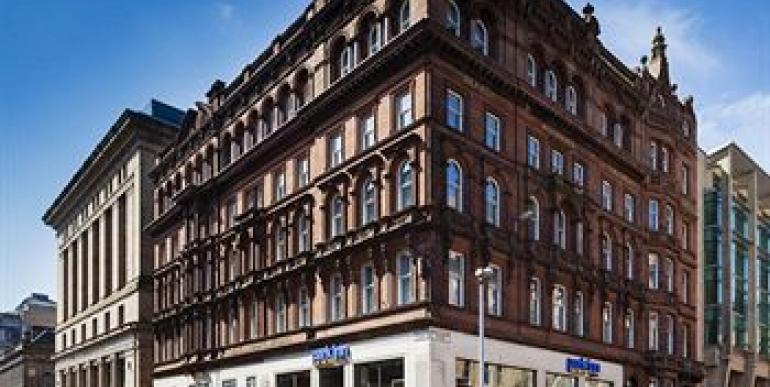

For a time, Glasgow was known as 'The Second City of the British Empire'. It was built on shipbuilding and marine engineering thanks to the deep waters of the River Clyde estuary. 2014 is set to be a massive year for Glaswegians with the city's Commonwealth Games due this summer. By the end of this decade, it is set to cement its hold as Scotland's main commercial centre.
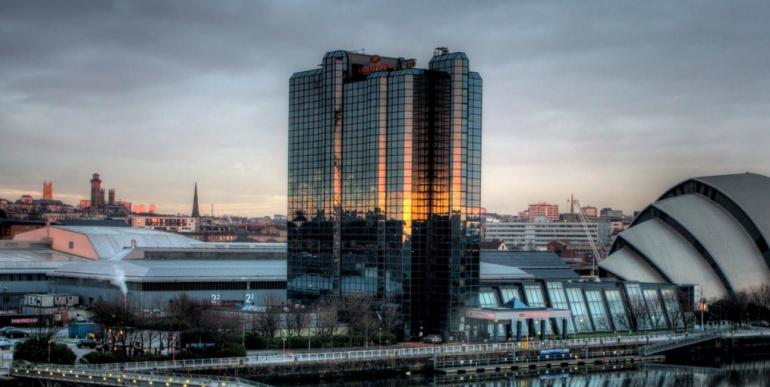
Though the ships have left Glasgow, it has reinvented itself as a modern post-industrial city. As a result, this has made the city an attractive conference venue. The banks of the River Clyde are dominated by Glasgow Tower and Clyde Auditorium - affectionately known as 'the armadillo'. The latter building forms part of the Strathclyde Exhibition and Conference Centre, itself a world class venue for concerts. It is also a popular venue for exhibitions, undoubtedly helped by its central location.
The modern Glasgow sits alongside the proud Victorian city, punctuated by its squares around Kelvingrove and Hillhead, and the architecture of Charles Rennie Mackintosh. Towards the east, it is a vibrant shopping centre with precincts on Buchanan Street and St. Enoch.
Creatively, the city of Glasgow is dominated by the works of Charles Rennie Mackintosh. His Art Nouveau style was employed in some of the city's buildings, such as Scotland Street school, former offices of the Daily Record and Glasgow Herald newspapers, and the Royal Highland Fusiliers Regimental Museum on Sauchiehall Street. Also on the same street is the Willow Café, which is now a jewellers' shop.
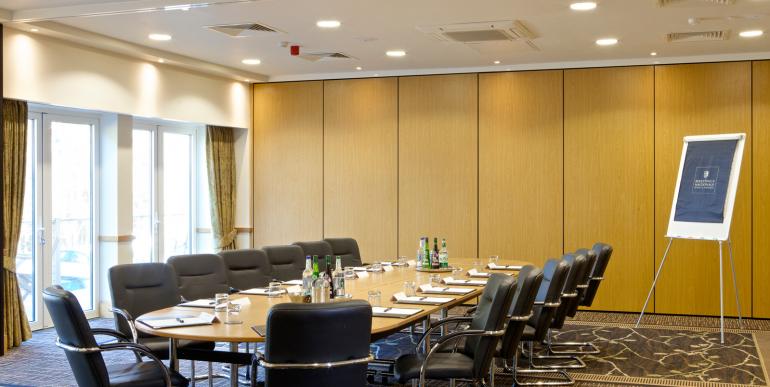
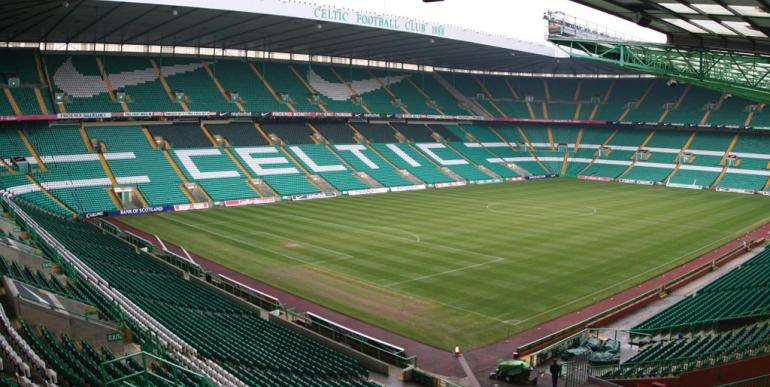
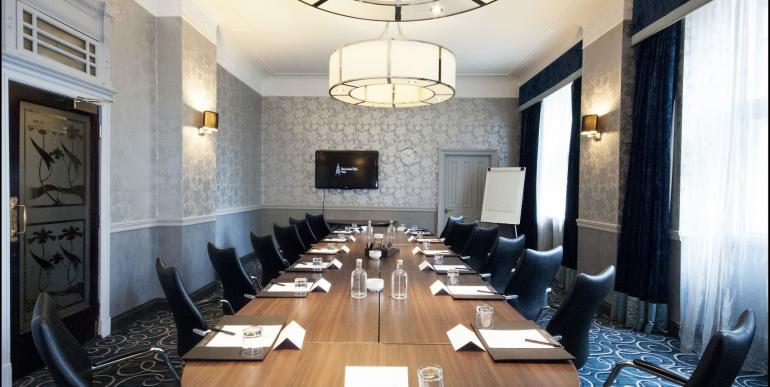
Amidst all this is a wealth of hotels, a great many of which suitable conference venues. Most of which are a motorway junction, train or underground train away. For sports minded delegates, Ibrox Stadium, Celtic Park and Hampden Park have conference suites and hotels nearby. Hampden Park has recently been refurbished for the 2014 Commonwealth Games.
The former Second City of the British Empire is accessible on a variety of modes. By air, Glasgow (Abbotsinch) and Prestwick airports are within easy reach. The M8 motorway penetrates the city centre, whereas inter-city trains serve Glasgow Central and Queen Street railway stations.
And, it is well connected with the rest of Scotland. Why not visit Loch Lomond and take a boat trip? Combine your stay with a trip to Ayr racecourse? Or visit the western part of Scotland and take in Oban? Why not board the Glasgow Sleeper Train from London Euston, and arrive at your conference venue refreshed from a good night's sleep?
If you like your conference venues with a bit of Victorian architecture and vibrancy, consider making the Second City of the British Empire your first one.